In the first two blogs in this series, I have discussed some of the theoretical frameworks that can be used in curriculum and instructional design and then a case study describing the development of a research informed unit on the particle theory of matter. In this blog I would like to consider curriculum design relating to the properties of matter and the particle theory of matter, especially by drawing on examples from several curricula from outwith Scotland, and what this tells us for curriculum reform here.
In my previous blog I provided a justification for why the particle theory of matter should be included in the school curriculum. As a core part of the curriculum for the sciences, it is therefore important to consider how knowledge and understanding of the concept is built up in a well-sequenced way from age 3 to Senior Phase courses in chemistry and physics, so how is this done in curricula elsewhere and what can be learn from this?
Data from outwith Scotland
If designing a curriculum at a national level, i.e., the institutional curriculum (Deng, 2020), it is always instructive to look at what is done in other jurisdictions to gain some insight to the thinking of others grappling with similar problems. The PISA results provide a measure of the success of different jurisdictions. It could be argued that PISA measures the overall success of an education system, but as Surma and colleagues have stated “everything starts with the curriculum” (Surma et al., 2025, p37). Therefore, I think there is value in correlating the content and design of the curriculum in different jurisdictions with their performance in PISA and looking for trends. Trends can not only be in terms of how different jurisdictions compare, but perhaps more importantly how the performance of a jurisdiction in PISA has changed over time and how that compares to curriculum policy changes within that jurisdiction.
I write this before the 2025 PISA results have been released. The last time science was the focus area in PISA was in 2015. Comparing the performance of different jurisdictions in science in 2015 from a report from Canada is useful (O’Grady et al., 2016), see figure 1.
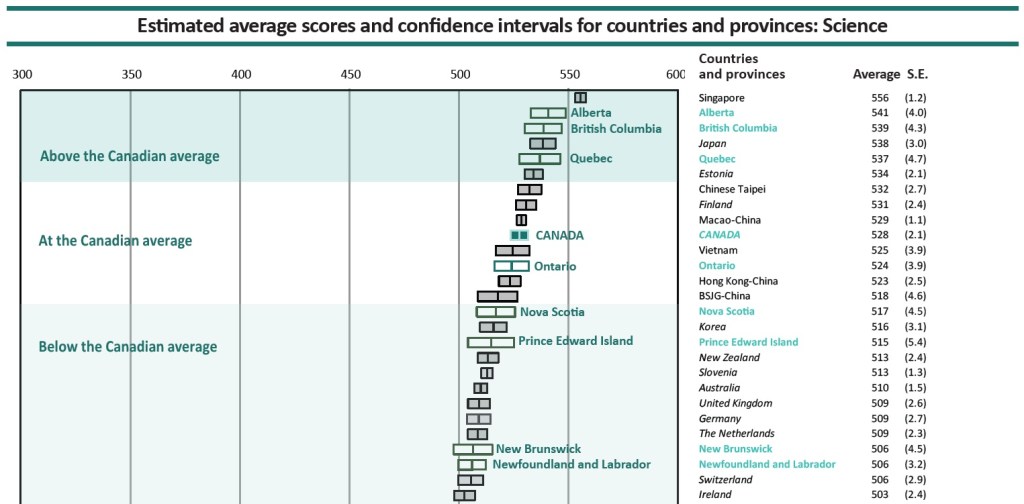
Figure 1: Performance of top performing countries and Canadian provinces in science in PISA 2015 (O’Grady et al., 2016, p20)
It has been well recognised that far-eastern countries such as Singapore, Japan, and parts of China have consistently performed well in science and in mathematics in PISA assessments. However, figure 1 is particularly interesting for Scotland as it shows that Alberta and British Columbia also perform very highly. For Scotland, comparisons with high performing jurisdictions such as Alberta and British Columbia are likely to be fruitful as they are English speaking and more similar culturally than the countries in the far east. Lessons are likely to transfer more easily. Similarly, it is worthwhile to consider other English-speaking jurisdictions such as England, Northern Ireland, Wales, Ireland, New Zealand and Australia, and other small northern European nations such as Estonia and Finland. Lindsay Paterson has used a similar strategy to inform his conclusions in his excellent recent book, Lessons From Scottish School: Why Knowledge Matters (Paterson, 2026). I had done some basic analysis of trends in PISA results previously but following interesting discussions in 2025 with Ben Jensen from Learning First in Australia, I then did further investigation of curricula internationally in the context of properties of matter. I was fortunate to meet Ben in the Ministry of Education in Wellington, New Zealand where he was doing some work for the New Zealand government and subsequently when he made a visit to Edinburgh a few weeks later. In 2023, Ben and colleagues published a thorough and very interesting comparison of the Australian science curriculum with high performing jurisdictions (Jensen et al., 2023). Another useful recent comparative study including all the UK nations and useful comparator jurisdictions was conducted by a team including Lucy Crehan, who has since led curriculum reform work in Northern Ireland, and draws on data from fourteen jurisdictions (Crehan et al., 2025).
An important consideration when analysing PISA data is that it measures the performance of the pupils who have been educated during the previous 10 to 12 years, and therefore the results are a reflection of the educational policy in the jurisdiction 10 or 15 years previously, and not a measure of policy environment at the time of the tests. It is therefore insightful to look at PISA results trends within a jurisdiction and relate performance with changes in education policy and, especially for the purpose of this blog, the curriculum policy. By doing this across several jurisdictions it is possible to relate similar trends in PISA results to similar policy changes. In the next section I will illustrate some countries which have similar trends in the PISA data, some positive or stable and some negative, and following that show how the curricula compare in the context of the properties of matter.
Trends in PISA results
Scotland’s PISA scores have declined over the last couple of decades. There has been a consistent downwards trend since 2006 when Scotland was an above average performer. Several other countries have also shown broadly similar declines, Finland being the most significant, see figure 2.
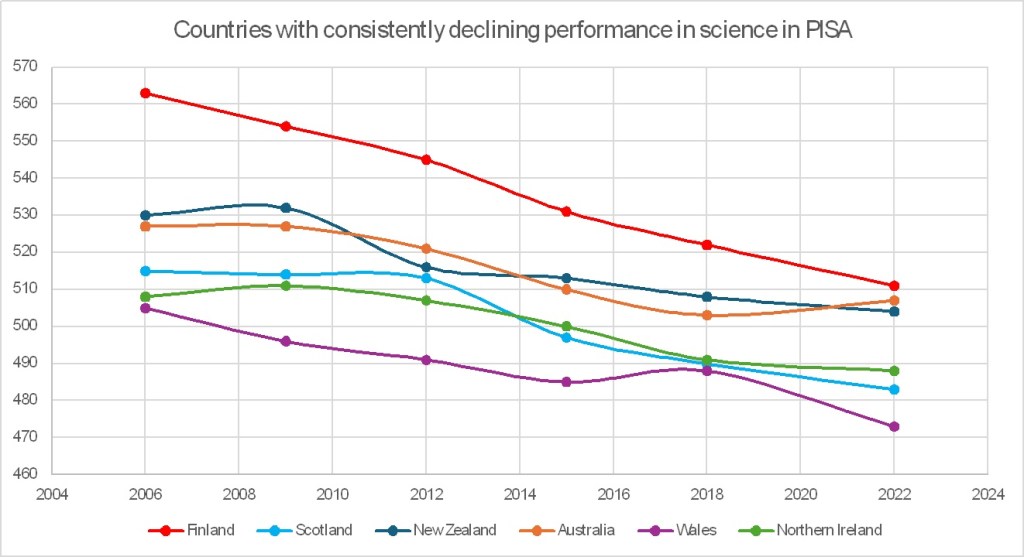
Figure 2: Countries with consistently declining performance in science in PISA during the period 2006 to 2022
This contrast with other countries which have either shown improving performance or have held broadly stable scores, see figure 3.
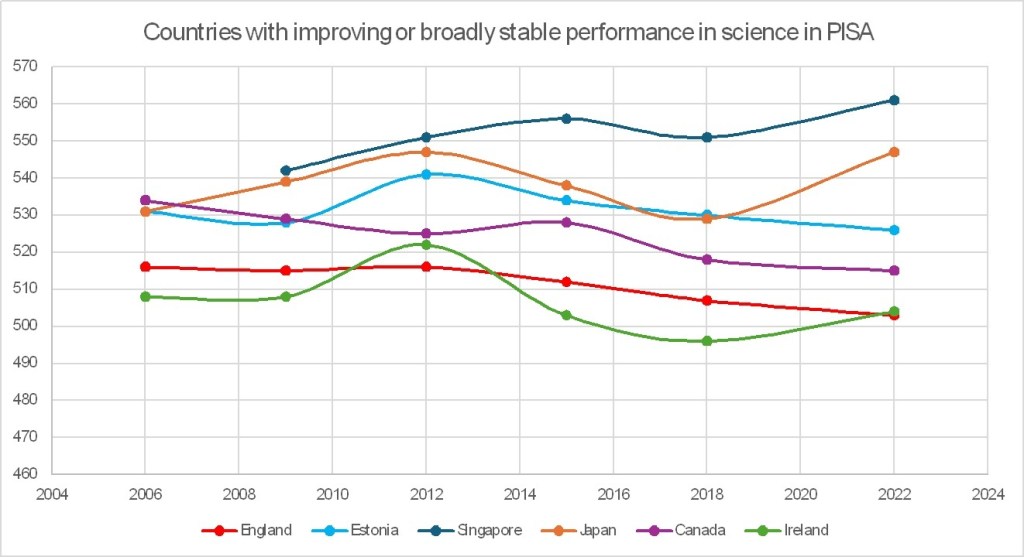
Figure 3: Countries with improving or broadly stable performance in science in PISA during the period 2006 to 2022
Despite the broadly shared culture and history, England has performed better than the other UK nations. It has been widely reported elsewhere (Gibb and Peal, 2025; Paterson, 2026) that during the time Scotland and Wales introduced skills-based curricula that England has introduced a knowledge-rich curriculum, especially since the election of the coalition government in 2010.
It can be seen from figure 3 that the dip in performance experienced by most countries following the COVID-19 pandemic was not seen in Singapore, Japan and Ireland. It appears that there was a resilience in these countries not exhibited elsewhere.
As figure 1 shows, the four most populous provinces of Canada score highly for science in PISA. Data for the separate provinces are not available in the public domain for the full range of years, but summary reports and the data available since 2012, see figure 4, shows that within the generally positive overall performance of Canada as a whole, Alberta has both consistently scored highly and maintained stable scores, including since the COVID-19 pandemic.
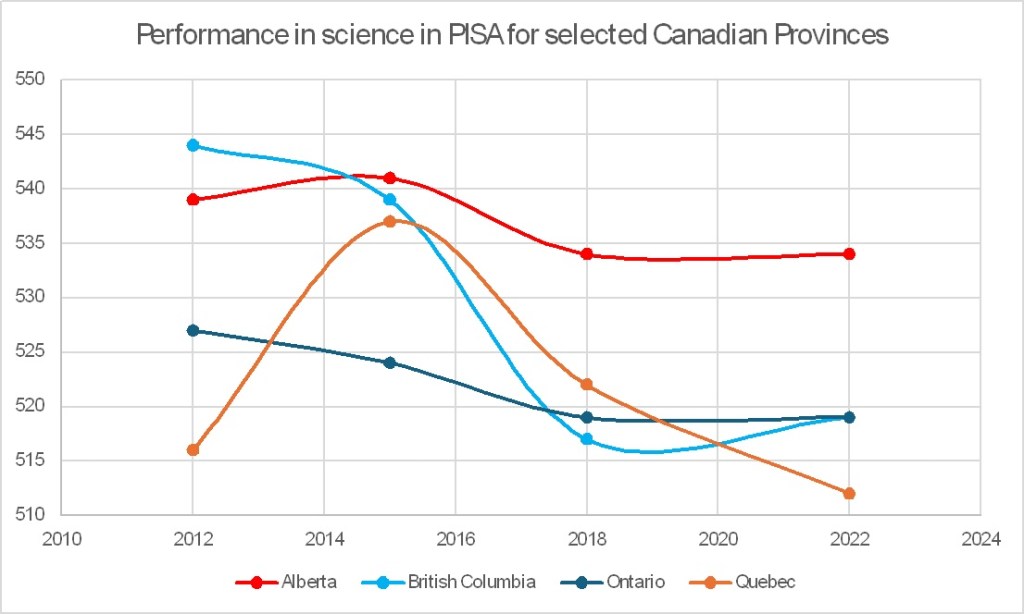
Figure 4: PISA scores in science for the four most populous and consistently most highly scoring provinces in Canada
To develop and understanding of how the curriculum in jurisdictions might contribute to these performances it is instructive to look at the content and specification of the curriculum in jurisdictions that exhibit similar trends to determine if there are common features.
Curriculum correlations
Having identified jurisdictions which have had more positive or more negative trends in PISA scores it is relatively easy to compare the content of their curricula and how they are specified to see if there are any common themes. As the PISA scores do not reflect the performance of the current curriculum in jurisdictions it is important to consider the curricula during the period prior to the PISA assessments. It is not always easy to obtain historic curriculum documents or those in countries where English is not the first language.
As I had been giving the properties of matter part of the sciences curriculum consideration as part of the curriculum reforms in Scotland, and prompted by a discussion with Ben Jensen and his analysis of the Australian national curriculum (Jensen et al., 2023), I compared the properties of matter curriculum documentation from several jurisdictions for the early and mid-primary school years. This content generally includes exploring the physical properties of different materials and changes in state, particularly the freezing, melting, boiling, evaporation, and condensation of water. The knowledge and understanding gained by pupils at this stage underpins much further study and is therefore a particularly important aspect of the curriculum if one is seeking ambitious and successful outcomes.
In Scotland, the Curriculum for Excellence is specified in levels where each level applies across multiple years of schooling. An immediate observation is that in most jurisdictions the curriculum is specified on a year or grade level. When curricula are specified on a yearly basis it therefore means that properties of matter topics appear in slightly different years in different jurisdictions, however, an analysis of content included for pupils up to around age 9 is instructive, and is broadly comparable to Scotland’s levels 0 and 1. This gives an indication of how ambitious the curriculum is and how well prepared pupils are for more specialised science study as they move into upper primary, middle and lower secondary schools. The manner in which the curricula are specified also gives a good indication of the level of support and expectations made of teachers.
Beginning with the Scottish curriculum of the last 15 years or so when Scotland’s PISA scores have shown decline, I then looked at the curricula of other countries showing similar declines.
The current Scottish curriculum was introduced in 2010, and the relevant Experiences and Outcomes statements are shown in figure 5.
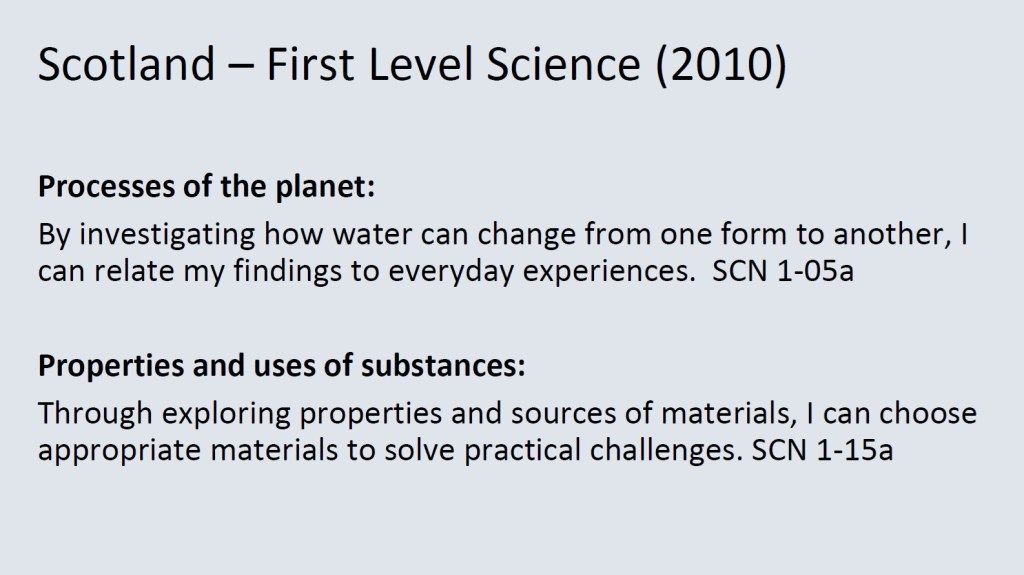
Figure 5: Scottish Curriculum for Excellence Experience and Outcomes for properties of matter
These statements were not well received by teachers who considered them vague and requiring considerable interpretation or ‘unpacking’. When making their classroom curriculum it caused them to ask many questions such as ‘which properties’ and ‘which practical challenges’ and it resulted in different teachers and schools interpreting these statements in many different ways. Following many requests for further guidance and clarification, and an independent review of Curriculum for Excellence by the OECD (OECD, 2015), further guidance was produced in the form of Benchmarks, see figure 6.
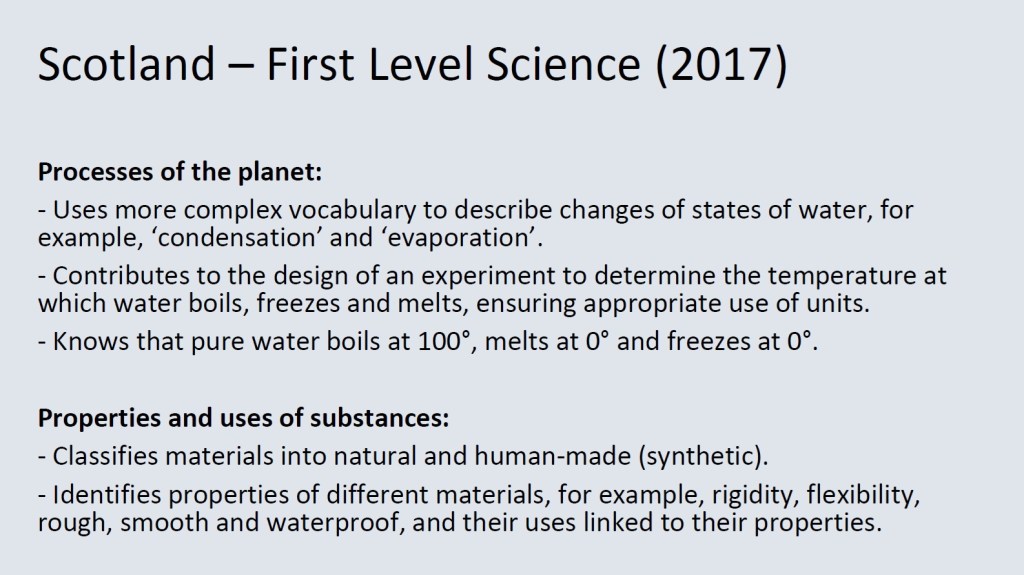
Figure 6: Scottish Curriculum for Excellence Benchmarks for properties of matter
The Benchmarks do provide details of relevant vocabulary and key facts such as the temperatures at which water melts and boils, although it would have been better if the unit for temperature was given as °C.
It can be seen from figures 7 and 8 that the curricula in Australia and New Zealand (until this year) are specified in a similar manner to the Experiences and Outcomes.
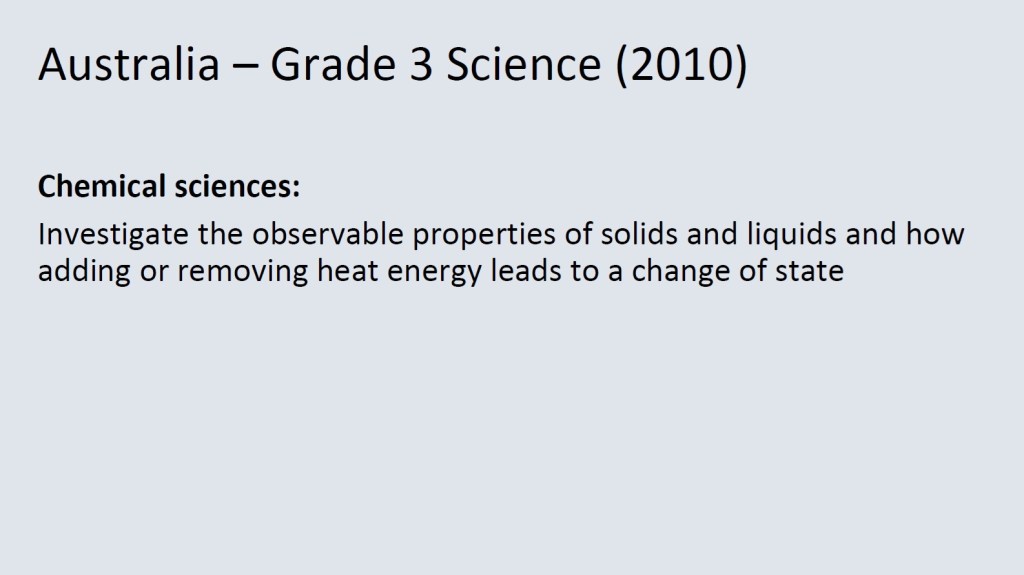
Figure 7: Australian curriculum for properties of matter
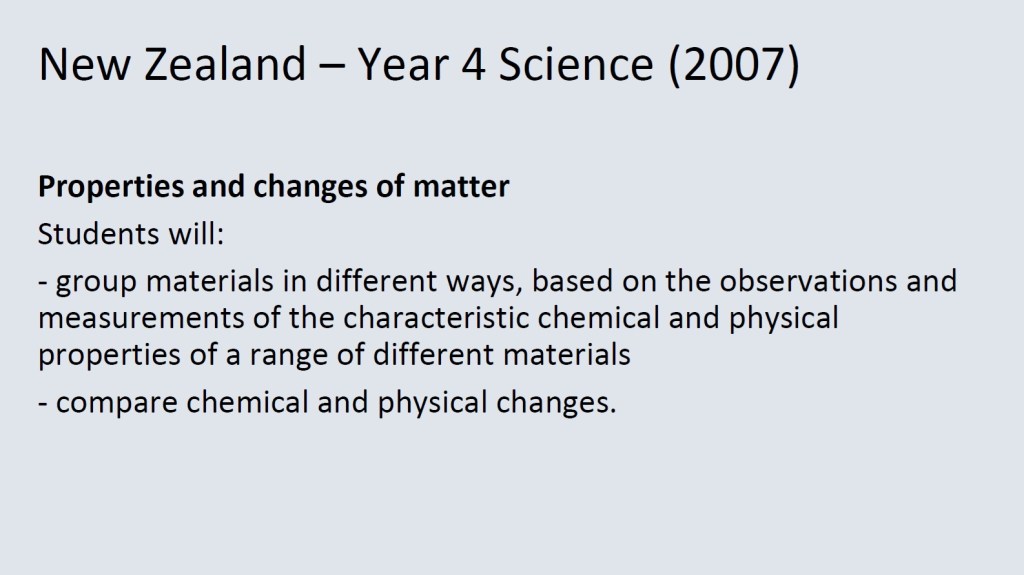
Figure 8: New Zealand curriculum for properties of matter from 2007 to 2026
Unfortunately, I have not been able to find corresponding information for Finland which is the country showing the greatest decline in PISA scores, however, it has been well reported that in recent decades Finland has moved to a curriculum with a greater focus on skills and interdisciplinary learning than previously (Finnish National Agency for Education, 2016; Nelson and Rushton, 2025); changes not dissimilar to those in Scotland.
There is a reasonable similarity in content and style in the statements in Scotland, Australia and New Zealand, but how does this compare to the curricula in countries which have had improving or stable scores in PISA? Figures 9 – 12 show the equivalent sections in the science curriculum documents from Singapore and Alberta.
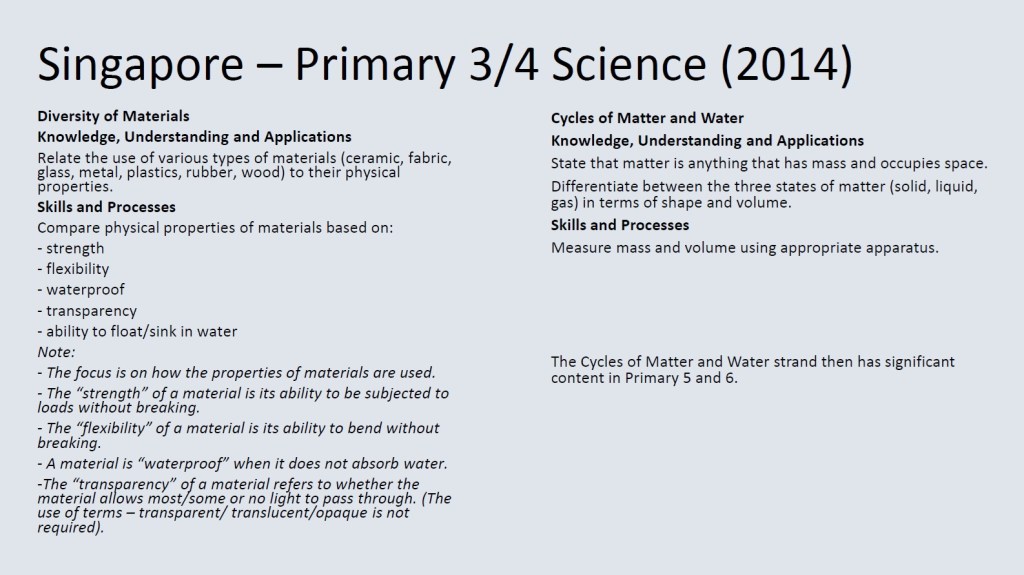
Figure 9: Properties of matter statements from the 2014 science curriculum in Singapore
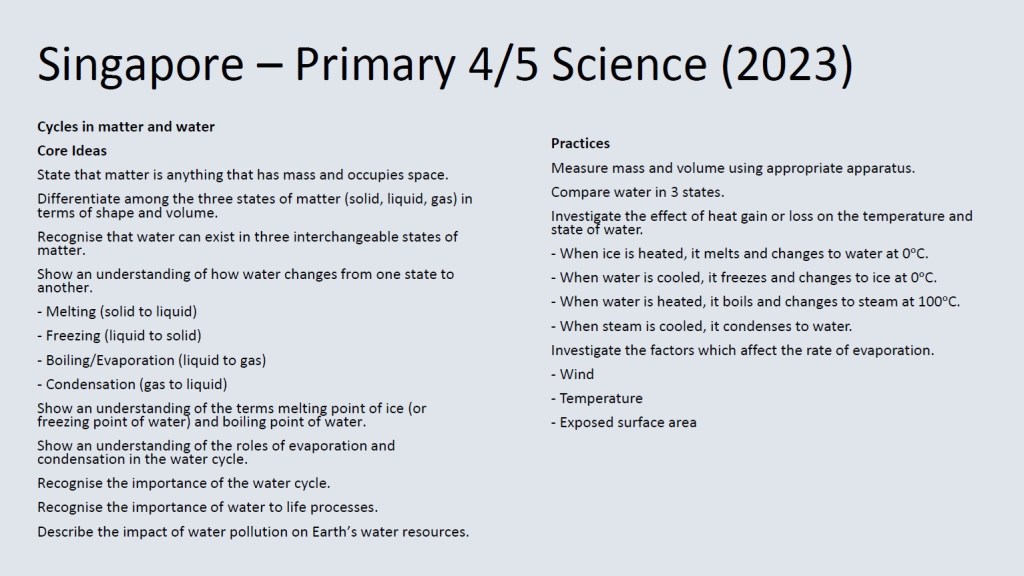
Figure 10: Properties of matter statements from the 2023 science curriculum in Singapore
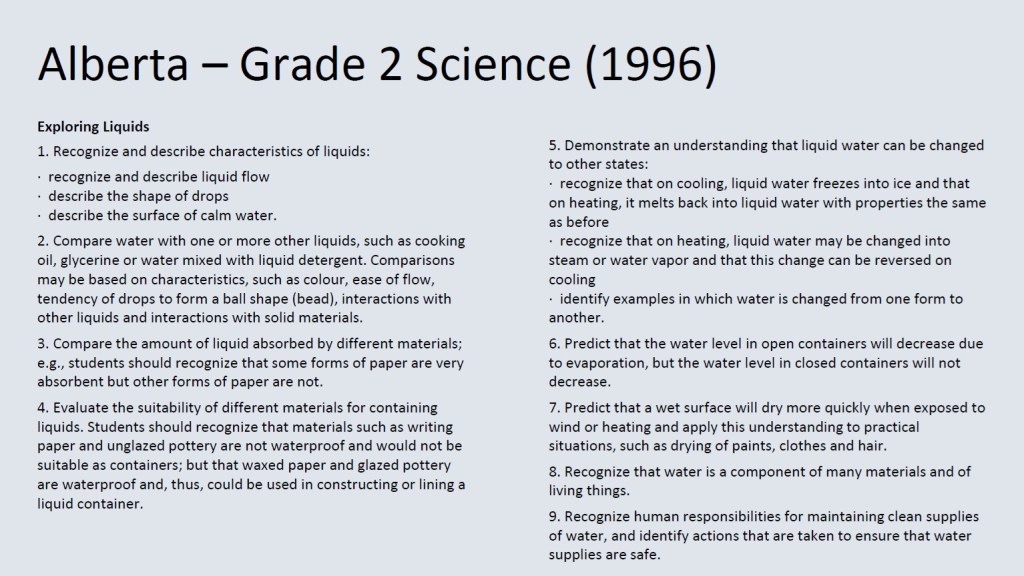
Figure 11: Properties of matter statements from the 1996 science curriculum in Alberta
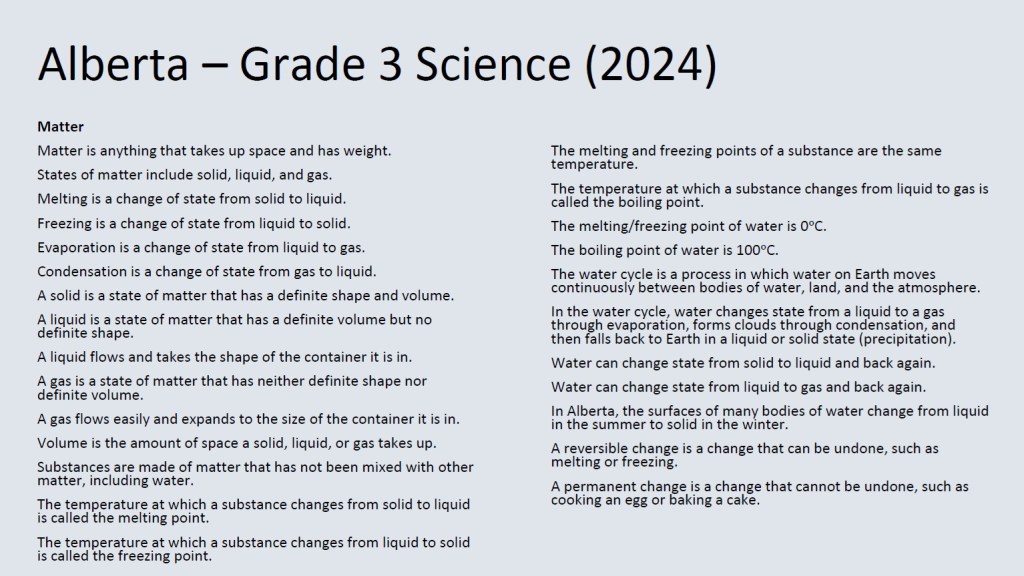
Figure 12: Properties of matter statements from the 2024 science curriculum in Alberta
The contrast between figures 6-8 and figures 9-12 could not be more stark. In Alberta and Singapore, the curriculum content is stated much more clearly and unambiguously and in significantly more detail. If we are to accept the statement “everything starts with the curriculum” (Surma et al., 2025, p37) then teachers are starting with much more guidance from their institutional curriculum to help them make their classroom curriculum. I think this illustrates very clearly what the OECD meant when they recommended that Scotland should clarify the role of knowledge in the curriculum and support learners consolidate a common base of knowledge and skills (OECD, 2021, p13).
Most primary teachers are generalist and do not have a background in the sciences, however, anyone reading a well-specified curriculum such as that in Alberta immediately is directed to the level of vocabulary which is expected and appropriate for the topic. Key terms such as melting are defined, they can also see how the smaller pieces of knowledge are built up into concepts as described by Erickson and colleagues’ model (Erickson, Lanning and French, 2017) I discussed in the first blog in this series. The curriculum helps make the content analysis of the topic more visible.
It is also striking that the curricula in both Alberta and Singapore have been relatively stable for an extended period. The relatively recent review of the primary science curriculum in Alberta did not significantly change the detailed content knowledge about water expected of students, although it was decided to move this content from grade 2 to grade 3 as it was considered rather demanding for the younger pupils. Such continuity provides an environment where instructional resources can be honed, and teacher professional learning can be provided to ensure system improvement.
Of European nations, Estonia has been a notable performer in PISA. In Estonia, science includes geography as well as biology, chemistry, and physics, and there is a strong environmental and life sciences emphasis in the lower primary curriculum. Study of the properties of matter through topics such as ‘Water as a substance: Use of Water’ begins at a slightly later age than in most jurisdictions. In the Estonian science curriculum topics are set out in some detail with lists of learning outcomes, learning content, concepts, practical work and use of ICT (Republic of Estonia Ministry of Education and Research, 2024).
Of the UK nations, England has performed better than the other nations in PISA, so how is its curriculum specified?
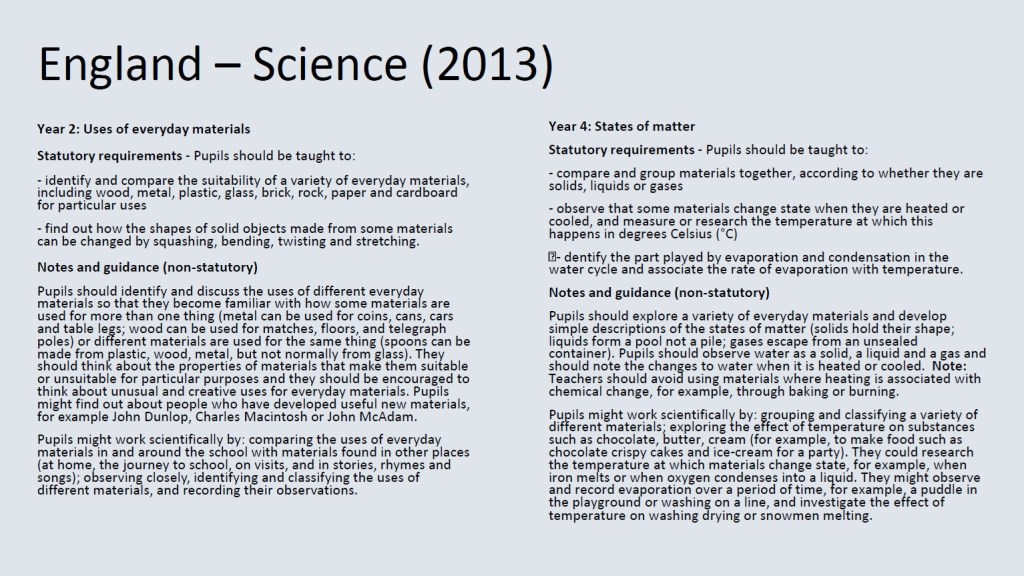
Figure 13: Properties of matter statements from the 2013 National Curriculum in England
Whilst the statements of the statutory requirements are fairly short and concise and not terribly different from those in Scotland, Australia and New Zealand, immediately following these in the document are non-statutory notes and guidance which provide a higher level of detail much more similar to that found in the curriculum statements in Singapore, Alberta and Estonia. Teachers in England have been provided with much clearer curriculum guidance than those in the other UK nations.
In seeking to improve the performance of their education system, the New Zealand government also identified this difference between the way in which curricula are specified. It published a draft science curriculum in October 2025, and following consultation a new curriculum in August 2026. This curriculum is much more like those in figures 9-13 than their previous curriculum from 2007, see figures 14 and 15.
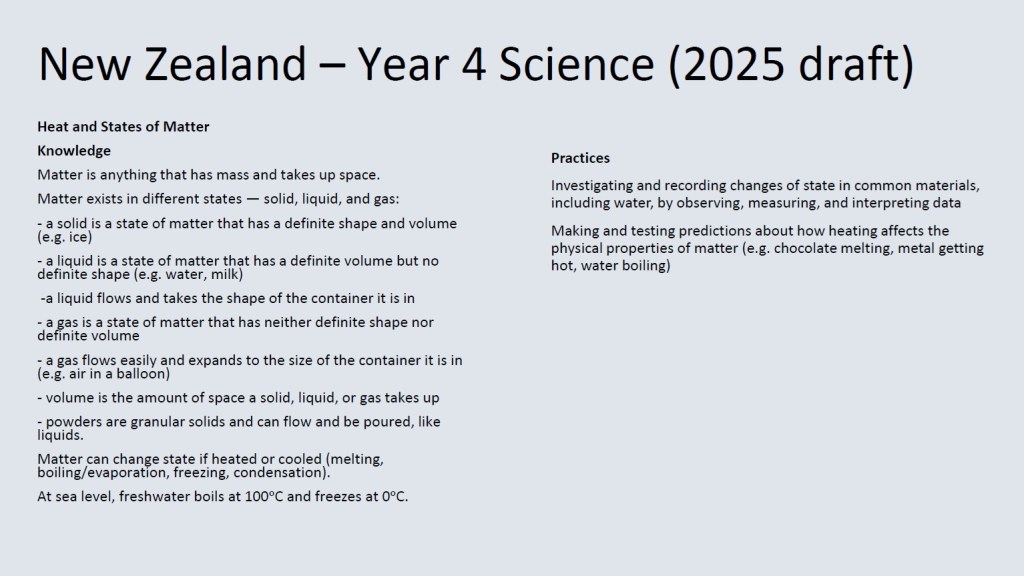
Figure 14: Properties of matter statements from the draft New Zealand curriculum published in October 2025
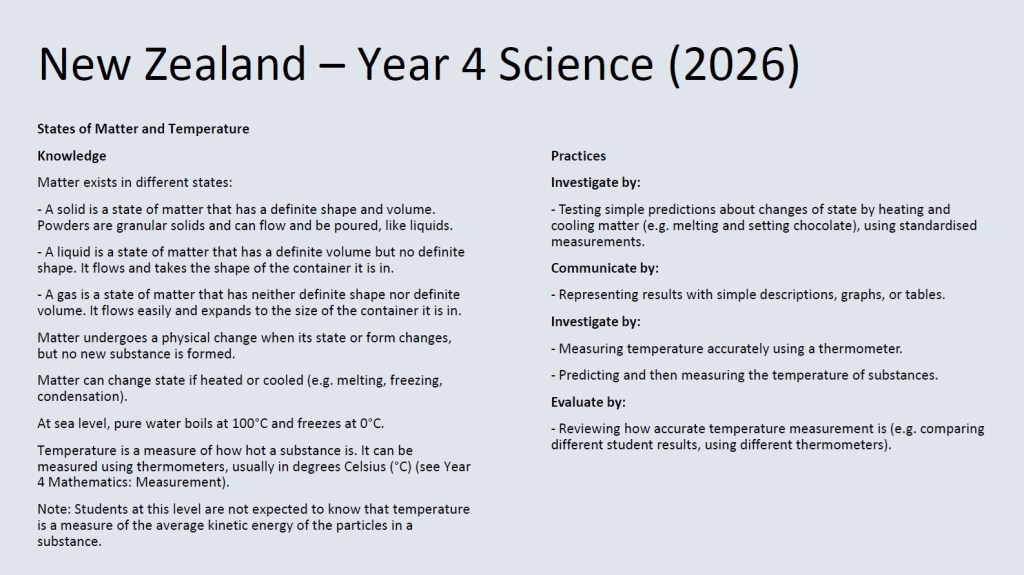
Figure 15: Properties of matter statements from the new New Zealand curriculum published in August 2026
It was fortunate my visit to New Zealand last year coincided with the publication of the draft and as well as meeting with its authors I was able to speak with teachers and hear their reactions to it firsthand. What I heard then matches quite well with the consultation feedback published by the New Zealand government alongside the new curriculum documents (New Zealand Ministry of Education, 2026). Teachers said:
- they valued the clarity,
- the learning was too content-heavy and there was concern about time for delivery,
- progression and sequencing were not always clear, and
- teachers and schools need more support.
I was, and still am not surprised by these comments, especially given flexibility the previous curriculum has given a whole generation of teachers. Time will tell if more support is available and whether the new curriculum improves pupil outcomes some years in the future.
Ireland is another country to keep an eye on over future years as it has moved somewhat in the opposite direction to New Zealand. Historically, Ireland has had a strong tradition of disciplinary literacy across subjects, perhaps a reason for consistently good scores in PISA reading assessments (Paterson, 2026). In 2016, with significant concerns raised by organisations such as the Irish Science Teachers’ Association, it introduced changes to its Junior Cycle science curriculum (ages 12-15) which reduced the specificity of knowledge and placed more emphasis on developing skills.
An explanation?
There is a clear correlation between the specificity of the programmatic curriculum documents discussed above and the pupil outcomes as measured by PISA, but does that mean there is causation?
For there to be causation there needs to be a mechanism whereby one thing affects the other. A classic example of this was the correlation between smoking and the incidence of lung cancer. It was the work of Richard Doll and others that established the mechanism that breathing in the toxins in tobacco smoke resulted in cancerous cell mutations and we moved from their just being a correlation between the two to smoking being the cause of lung cancer, despite the considerable lobbying of the tobacco industry arguing otherwise.
Is there a plausible mechanism to link well-sequenced, well-specified, knowledge-rich curricula to improved pupil outcomes as measured by PISA?
Part of this could well be the more efficient use of teacher time and the reduced workload as a result. This is likely to be most significant at times of initial classroom curriculum-making when the institutional curriculum changes. However, I suspect that if there is a poor institutional curriculum this period is extended as teachers continually re-visit their classroom curriculum to try and get it to work better. Since the introduction of Curriculum for Excellence in Scotland, I have experienced myself and witnessed in other science teachers, a continual curriculum making churn in the system as ‘sticking plaster’ fixes have been applied to what I consider to be a fundamentally flawed curriculum and assessment model.
However, I think the main mechanism comes from cognitive science. Tim Surma and colleagues make a compelling case for the benefits of a well-sequenced, well-specified, knowledge-rich curriculum (Surma et al., 2025) and I think my analysis above complements that made by Lindsay Paterson (Paterson, 2026). I think the difference in the impact on pupil learning between a poorly sequenced, vaguely specified, skills-based curriculum and a well-sequenced, well-specified, knowledge-rich curriculum is best summed-up by the two diagrams from Efrat Furst shown in figure 16.
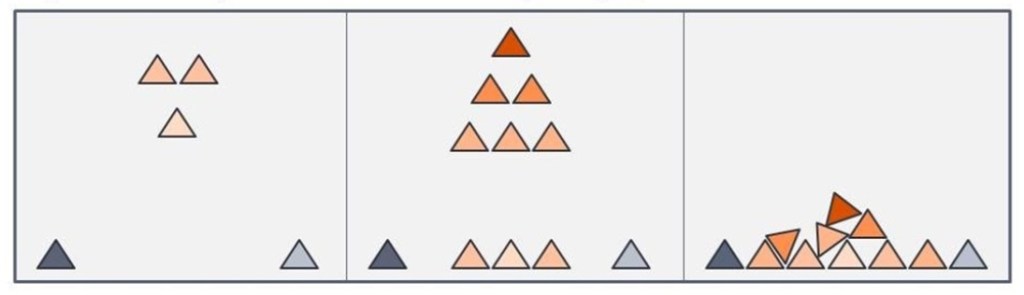
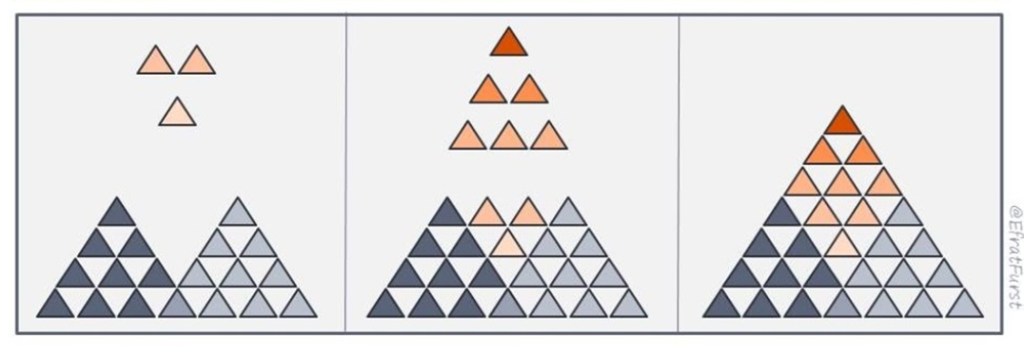
Figure 16: A comparison of the impact on learning of a poorly sequenced, vaguely specified, skills-based curriculum and a well-sequenced, well-specified, knowledge-rich curriculum (Furst, 2019)
I think that learning from cognitive science provides us with a plausible mechanism that allows us to more beyond purely correlation, although there are still those in the educational establishment that argue against well-sequenced, well-specified, knowledge-rich curricula and for more skills-based and competency-based approaches.
Conclusions
The main purpose of this series of blogs is to consider issues from a curriculum making and instructional design perspective. As someone with 35 years of experience in the classroom I welcome the clarity provided by curricula such as that in Alberta, and consultation feedback from teachers in New Zealand suggests that teachers there value this clarity also (New Zealand Ministry of Education, 2026).
When an institutional curriculum is specified clearly it means that every teacher can be much more certain about the curriculum content they are responsible for teaching and can be much more confident of the likely knowledge and skills that pupils entering their class at the start of each year bring with them than is currently the case in Scotland. This clarity makes the classroom curriculum making role of a teacher easier as there is a focus on more common content at each stage with pupils arriving with less diverse knowledge and experiences to take into account and on which to build. It also saves teacher workload as less time is needed to ‘unpack’ what is intended by vague statements in the institutional curriculum. This frees up time for teachers to spend more time working out how to teach better what is in their classroom curriculum, hopefully then with a positive impact on pupil outcomes. A well-specified institutional curriculum makes transitions much more straight forward, not only between primary and secondary schools but between years and even just different teachers within the same school. It means that learning progression is likely to be much more seamless than is the case currently in Scotland. Therefore pupils are less likely to have gaps in powerful or hinge knowledge that prevents further learning, or for pupils to have to unnecessarily repeat topics, both scenarios that can be frustrating and demotivating for pupils and result in symptoms such as poor behaviour. All this of course leads to pupils making better progress and increases attainment.
There are other advantages too, which again can indirectly feed through to improved pupil outcomes. A clearly specified curriculum results in greater commonality in the work of teachers which makes it easier to share instructional resources with a resulting reduction in teacher workload. If there is more commonality in topics and curriculum content it is also easier to target subject-specific professional learning and thereby improve the quality of teaching of these topics. As my doctoral study (Farmer, 2024) and data collected by Education Scotland show (Education Scotland, 2021, 2022, 2024), in Scotland there a significant but largely unmet demand from teachers for subject-specific professional learning and an improved institutional curriculum would make it much easier to meet this demand.
The comparison of fourteen jurisdictions (Crehan et al., 2025) has shown that systems with vaguer curricula intended to grant greater teacher autonomy consistently report teacher workload inflation, confusion, inconsistent implementation, and widening gaps between advantaged and disadvantaged students. Early differentiation by choice or selection also exacerbates inequality.
Taken together, more clearly specified knowledge-rich curricula have been shown to correlate with education systems which support:
- equity,
- coherent progression,
- improved attainment, and
- reduced teacher workload.
It is also shown that successful enactment of such curricula and education reform depends less on the reform model than on the implementation conditions of adequate teacher time, availability of instructional resources, and professional learning for teachers.
There are dangers when producing a well-specified institutional curriculum too. Lots of different stakeholders will always have an argument for why their pet topic should be included in the institutional curriculum, so it is very easy for it to become overloaded. Content should be selected carefully for its contribution to the big ideas and the ways of thinking of a subject, for its ability to facilitate further study, but also for its contribution to the general knowledge we would expect any citizen to have to be able to participate effectively in society. However, I would like to address what I consider to be a common misconception about curriculum overloading or cluttering. The need to ‘declutter’ the curriculum in Scotland has been a regular refrain in recent years. At first sight a viewer might consider the curricula in the likes of Alberta and Singapore to be more cluttered than in Scotland because the curriculum documents are longer and use more words. However, I think this is a ‘red herring’, the reason the Scottish curriculum feels cluttered to many is because of the wide variety of interpretations of the vague and unhelpful Experiences and Outcomes. Fewer words in the curriculum documents leads to teachers teaching a wide variety of different things to different classes so the total amount of things being taught across a cluster of primary schools and the associated secondary school let alone the nation is large, too large. This is not to say that what is being taught by different teachers is not worthwhile, but the variety makes transition to the next stage, especially from several primary schools to a secondary school, very difficult. Some pupils arrive with unhelpful gaps in key knowledge meaning that things have to be retaught which just adds to the feeling of clutter. I believe strongly that Scotland does not have a cluttered curriculum but that it has an inadequately specified curriculum. This is very similar to the argument made by Ben Jensen about the Australian science curriculum which he has described as “an inch deep and an inch wide” (Jensen et al., 2023). I am convinced if we were to move to a well-specified knowledge-rich curriculum we could actually be more ambitious with our curriculum and help our pupils to study a more common body of knowledge and practices to a greater depth of understanding and reduce the need for differentiated approaches into the bargain. This would go some way to help address the equity issues we face and help close the attainment gap between the most and least advantaged in our society.
I began this blog by asking what we might learn from curricula elsewhere. I think there are clear lessons that can be learned. Well-specified knowledge-rich disciplinary curricula are beneficial for pupil outcomes, at least as measured in PISA data, but can also have other benefits in terms of factors such as teacher workload. I can see no significant downside.
In the next blog in this series, I will consider the content of a well-specified properties of matter curriculum and then go on to how this is important for teaching about important issues such as the climate crisis.
References
Crehan, L. et al. (2025) International Comparative Review: Curriculum Policy Report. Cambridge. Available at: https://3a551fc8-7675-4cc5-9ecd-8697a47d348f.filesusr.com/ugd/5d3f2a_c163f5de598c4dcfa839da0ecf239533.pdf.
Deng, Z. (2020) Knowledge, Content, Curriculum and Didaktik: Beyond Social Realism. Abingdon: Routledge.
Education Scotland (2021) Professional Learning in STEM: Findings from the Annual STEM Practitioner Survey 2018/19 – Early learning and childcare, primary, secondary and ASN. Livingston.
Education Scotland (2022) Professional Learning in STEM: Findings from the Annual STEM Practitioner Survey 2020/21 – Early learning and childcare, primary, secondary and ASN. Livingston.
Education Scotland (2024) Professional Learning in STEM: Findings from the Annual STEM Practitioner Survey 2022/23- Early learning and childcare, primary, secondary and ASN. Livingston. Available at: https://education.gov.scot/media/hq5ph4wf/stem-professional-learning-survey-2022-23-findings-elc-primary-asn-secondary.docx.
Erickson, H. L., Lanning, L. A. and French, R. (2017) Concept-Based Curriculum and Instruction for the Thinking Classroom. 2nd edn. Thousand Oaks, CA: Corwin.
Farmer, S. (2024) The alignment of policy and practice for the career-long professional learning of teachers in Scotland. University of Strathclyde. Available at: https://stax.strath.ac.uk/concern/theses/w66344189.
Finnish National Agency for Education (2016) New national core curriculum for basic education: focus on school culture and integrative approach. Helsinki. Available at: https://www.oph.fi/en/statistics-and-publications/publications/new-national-core-curriculum-basic-education-focus-school.
Furst, E. (2019) Understanding ‘Understanding’, EfratFurst. Available at: https://sites.google.com/view/efratfurst/teaching-with-learning-in-mind/understanding-understanding.
Gibb, N. and Peal, R. (2025) Reforming Lessons: Why English Schools Have Improved Since 2010 and How This Was Achieved. Abingdon: Routledge. Available at: https://www.routledge.com/Reforming-Lessons-Why-English-Schools-Have-Improved-Since-2010-and-How-This-Was-Achieved/Gibb-Peal/p/book/9781032875941.
Jensen, B. et al. (2023) Fixing the hole in Australian education. Melbourne. Available at: https://learningfirst.com/research/benchmarkingscience.
Nelson, S. and Rushton, N. (2025) Curriculum policy in Finland: A description of the curriculum. Cambridge. Available at: https://3a551fc8-7675-4cc5-9ecd-8697a47d348f.filesusr.com/ugd/5d3f2a_6d620862f4974619aceb7e1a617cd436.pdf.
New Zealand Ministry of Education (2026) Tahurangi – New Zealand Curriculum — Science Phases 1–4 (Years 0–10). Available at: https://newzealandcurriculum.tahurangi.education.govt.nz/nzc—science-phases-1-4-years-0-10/5637290855.p.
O’Grady, K. et al. (2016) Measuring up: Canadian Results of the OECD PISA Study: The Performance of Canada’s Youth in Science, Reading, and Mathematics – 2015 First Results for Canadians Aged 15. Toronto. Available at: https://www.cmec.ca/Publications/Lists/Publications/Attachments/365/PISA2015-CdnReport-EN.pdf.
OECD (2015) Improving Schools in Scotland: An OECD Perspective. Paris: OECD Publishing. https://www.oecd.org/en/publications/scotland-s-curriculum-for-excellence_bf624417-en.html.
OECD (2021) Scotland’s Curriculum for Excellence: Into the Future, Implementing Education Policies. Paris: OECD Publishing. Available at: https://www.oecd.org/en/publications/scotland-s-curriculum-for-excellence_bf624417-en/full-report.html.
Paterson, L. (2026) Lessons from Scottish Schools. Edinburgh: Edinburgh University Press. Available at: https://edinburghuniversitypress.com/book-lessons-from-scottish-schools.html.
Republic of Estonia Ministry of Education and Research (2024) National curricula for basic schools – Appendix 4: Natural Science. Available at: https://www.hm.ee/en/national-curricula?view_instance=0¤t_page=1.
Surma, T. et al. (2025) Developing Curriculum for Deep Thinking: The Knowledge Revival. Springer. doi: 10.1007/978-3-031-74661-1. https://link.springer.com/book/10.1007/978-3-031-74661-1


Leave a Reply